Stop Indoor Water Loss Before It Spreads
Water Damage Restoration in Liberty for burst pipes, appliance failures, and standing water removal
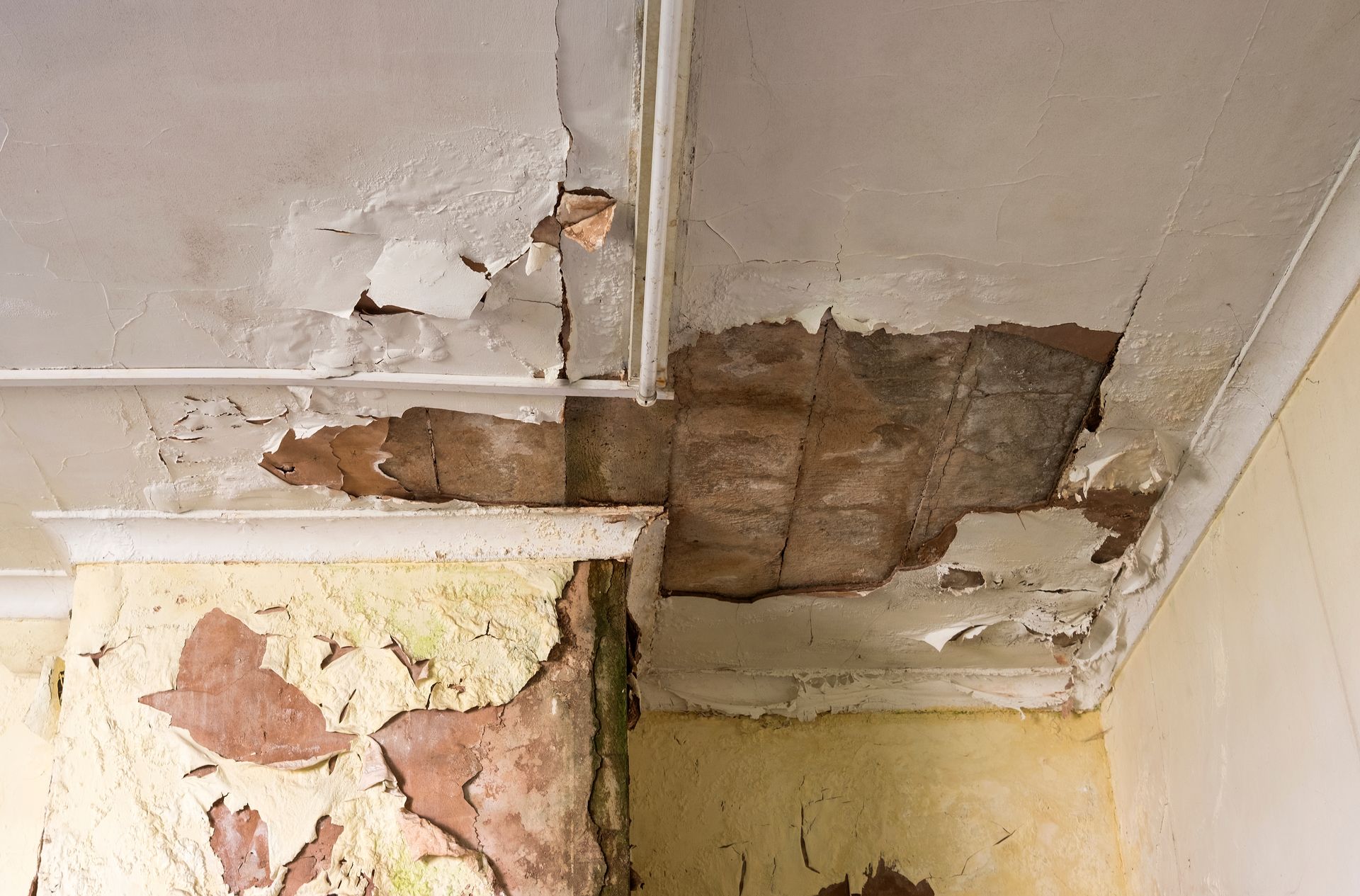
A burst pipe inside a wall or a failed water heater can release dozens of gallons before anyone notices, soaking subfloors, insulation, and framing that remain hidden behind drywall. Restoration Services handles water damage restoration in Liberty and manages the entire sequence from initial water removal through structural drying and final restoration. Quick response matters because moisture that sits for more than 24 hours begins changing how materials behave, warping wood, delaminating flooring, and creating conditions where mold can establish itself within 48 to 72 hours.
The service starts with inspection using moisture meters to map how far water traveled, followed by extraction of standing water, placement of commercial air movers and dehumidifiers to dry structural cavities, and monitoring until materials return to normal moisture levels. Proper drying requires measuring moisture content in framing, subfloors, and wall cavities rather than relying only on surface observations, because wet materials hidden behind finishes continue causing damage long after visible water disappears.
Schedule an emergency water assessment to document moisture extent and begin mitigation before conditions worsen.
What Happens During Structural Drying
Water extraction removes the bulk of standing water, but drying the structure requires controlled airflow and dehumidification targeting moisture trapped in porous materials like drywall, wood framing, insulation, and concrete. Equipment runs continuously for several days, with daily moisture readings tracking progress in affected areas until all materials return to dry standard levels.
Once drying finishes, you notice floors that no longer feel spongy underfoot, walls that test dry when measured, and air that no longer carries the damp, musty smell that develops when wet materials sit enclosed. Restoration Services coordinates cleanup of damaged materials, treatment of affected surfaces, and restoration work needed to return the space to its pre-loss condition, addressing both visible damage and hidden moisture that would otherwise cause long-term problems.
The process includes removal of materials too damaged to salvage, such as saturated insulation or delaminated flooring, and coordination with other trades when plumbing repairs or reconstruction work becomes necessary. Mitigation focuses on stopping further damage, while restoration returns the property to normal use.
What Property Owners Usually Ask
Water damage situations raise immediate questions about response time, equipment needs, and what gets saved versus replaced. These answers clarify what happens during professional water mitigation.
How soon does drying equipment need to start after a water loss?
Water begins affecting materials immediately, and placing drying equipment within the first 24 hours significantly reduces the extent of secondary damage, including swelling, warping, and conditions that contribute to mold growth once moisture remains beyond 48 hours.
What determines whether flooring can be saved or needs replacement?
Moisture readings, the type of flooring material, how long water sat, and whether the subfloor remained wet all factor into that decision, with hardwood sometimes salvageable through drying and sanding while laminate and certain engineered products typically require replacement once they absorb water.
How do you know when hidden wall cavities are dry?
Moisture meters measure readings through drywall into studs and insulation, and readings are compared against dry standards for each material type, with equipment left in place until consecutive daily readings confirm moisture levels have returned to normal.
Does all water damage require wall removal?
Not always—decisions depend on how much water entered the wall cavity, what type of insulation is present, and whether moisture readings indicate saturation, with some cases drying successfully through controlled ventilation while others require opening walls to remove wet insulation and dry framing directly.
What happens to contents and furnishings during the drying process?
Movable items are relocated away from affected areas, and porous materials like upholstery or mattresses that absorbed water are evaluated separately, since contents often require different drying methods or disposal if contamination or saturation makes restoration impractical.
Indoor water losses demand immediate assessment to prevent moisture from migrating into additional building cavities and causing damage beyond the initial affected area. Restoration Services responds to water emergencies throughout Liberty and provides the equipment, monitoring, and coordination needed to dry structures properly and restore properties after sudden water loss. Call (816) 286-5835 for rapid response when water damage occurs.