Moisture Investigations Identify Contributing Conditions
Mold Testing and Remediation in Liberty for suspected growth, hidden leaks, and moisture-related concerns
Musty odors, visible discoloration on walls or ceilings, and recurring moisture problems signal conditions where mold may be actively growing inside building cavities or on hidden surfaces. Restoration Services handles mold testing and remediation in Liberty, starting with inspection to locate moisture sources, testing when appropriate to identify contamination extent, containment to control spread during removal, remediation of affected materials, air cleaning, and replacement of removed components. Mold growth results from unresolved moisture—leaks, condensation, high humidity, or previous water damage that never fully dried—and successful remediation requires identifying and fixing the contributing condition rather than only removing visible growth.
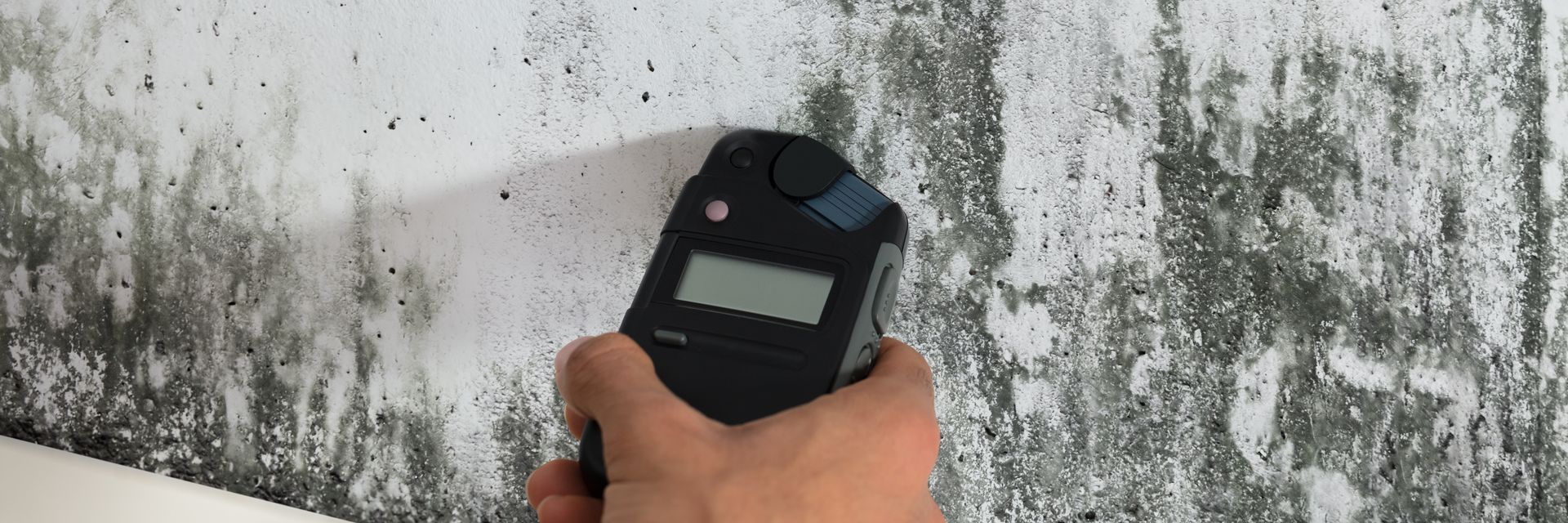
Inspection uses moisture meters and thermal imaging to map wet areas and identify hidden leaks, followed by testing to assess contamination levels when growth extent is unclear or when air quality concerns exist. Remediation involves containment barriers with negative air pressure to prevent spores from spreading during removal, physical removal of affected materials like drywall or insulation, HEPA vacuuming and cleaning of structural surfaces, and air filtration to capture airborne particles released during the work.
Schedule a free inspection when you notice musty odors, visible growth, or recurring moisture issues requiring professional investigation.
What Proper Remediation Requires
Mold remediation follows containment protocols to isolate work areas from occupied spaces, uses HEPA filtration during material removal, and includes cleaning of structural components that remain after contaminated materials are removed. Workers wear respiratory protection, affected drywall and insulation get bagged and disposed of properly, and framing is cleaned and treated before replacement materials are installed.
Restoration Services addresses the underlying moisture problem during remediation—repairing leaks, improving ventilation, or resolving drainage issues—because mold returns if wet conditions persist. Once work finishes, you notice eliminated musty odors, removal of visible discoloration, and spaces that remain dry without recurring growth, provided moisture sources have been corrected and humidity stays controlled.
Testing after remediation verifies that spore levels have returned to normal background levels and confirms the work successfully addressed contamination. Projects range from small isolated areas to entire basements or attics, with scope determined by inspection findings and moisture mapping rather than visible growth alone, since mold often develops inside walls or above ceilings where it remains hidden until conditions worsen.
What Property Owners Usually Ask
Mold situations raise questions about health concerns, testing necessity, and what actually gets removed during remediation. These answers clarify the investigation and remediation process.
What causes mold to grow inside buildings?
Mold requires moisture and organic material—when water from leaks, condensation, high humidity, or incomplete drying after water damage contacts drywall, wood, insulation, or other porous materials, mold can establish within 48 to 72 hours and continue growing as long as moisture remains available.
How do you know if mold testing is necessary?
Testing helps when growth is suspected but not visible, when air quality concerns exist, or when confirming remediation success, though inspection and moisture mapping often identify problems without testing, particularly when visible growth or strong musty odors clearly indicate contamination.
What happens during mold containment and removal?
Plastic barriers and negative air machines isolate the work area, contaminated materials like drywall and insulation are removed and bagged, structural surfaces are HEPA vacuumed and cleaned, and air scrubbers capture spores released during the process before replacement materials are installed.
Can mold return after professional remediation?
Growth returns if the moisture source is not corrected—successful remediation removes existing contamination and addresses contributing conditions like leaks, poor ventilation, or drainage problems, but ongoing humidity control and maintenance remain necessary to prevent future problems.
How does hidden moisture contribute to mold in Liberty homes?
High humidity during summer months, condensation in poorly ventilated attics and crawlspaces, slow leaks inside walls, and incomplete drying after water losses all create conditions where mold develops out of sight, often noticed only when odors worsen or discoloration appears on finished surfaces.
Mold problems require identifying contributing moisture conditions, controlling spread during removal, remediating affected materials safely, and restoring spaces after contaminated components are replaced. Restoration Services provides complete mold investigation and remediation throughout Liberty, addressing visible growth and hidden moisture sources that allow recurrence. Call (816) 286-5835 to arrange a free mold inspection when musty odors or suspected growth require professional assessment.