Full Property Recovery After Fire Loss
Fire Damage Restoration in Liberty for residential and commercial properties requiring debris removal, cleaning, repair, and rebuilding
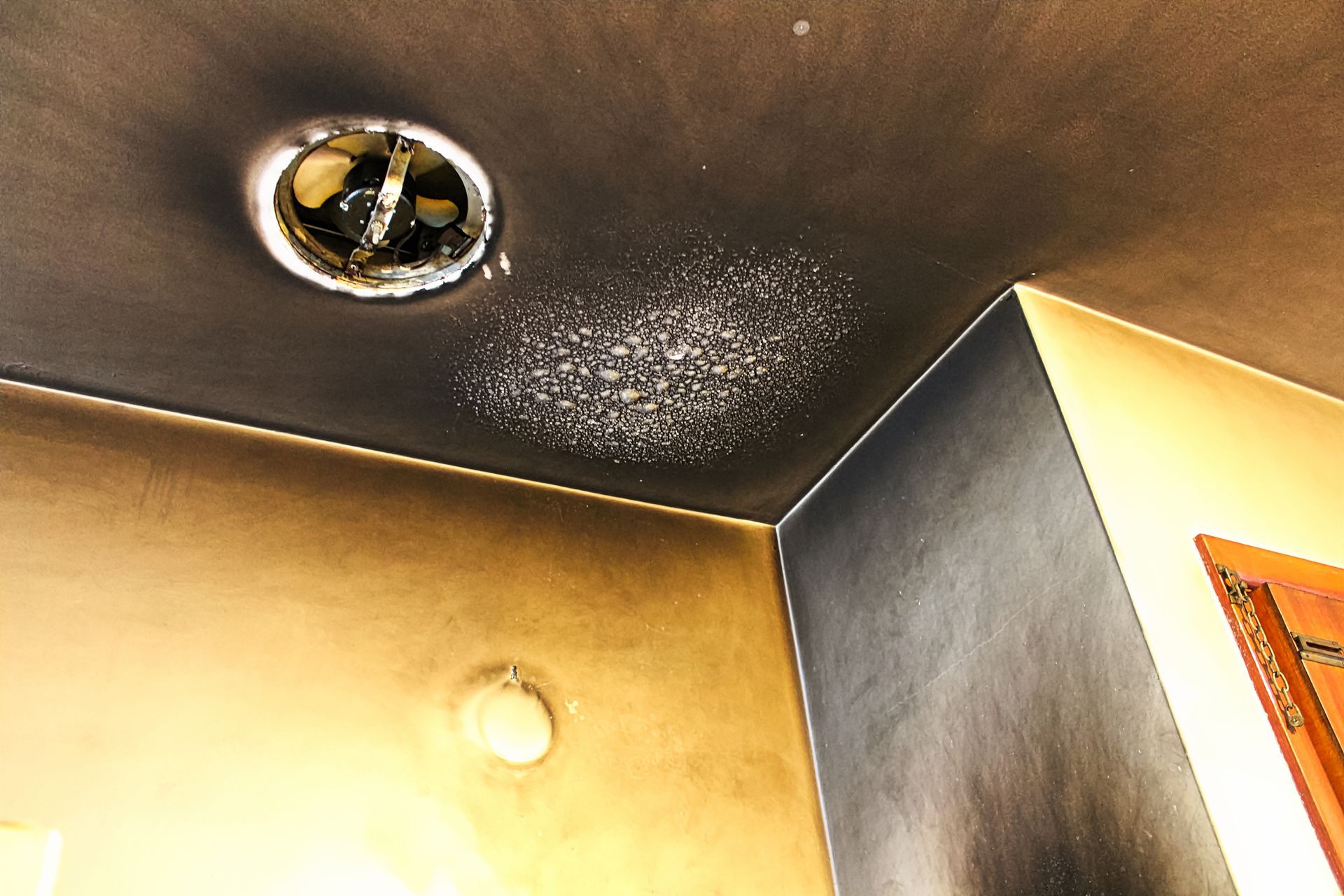
Fire losses rarely stop at visible burn damage—flames consume materials, heat damages adjacent surfaces, smoke deposits soot throughout connected spaces, and firefighting water soaks floors and wall cavities far from the fire's origin. Restoration Services addresses fire damage restoration for properties in Liberty, coordinating the entire recovery from damage assessment and debris cleanup through soot removal, material replacement, and rebuilding. A kitchen fire contained to one room still releases smoke that travels through HVAC systems and deposits acidic residue on walls, ceilings, and contents throughout the structure.
Assessment maps damage across three categories: areas with direct fire and structural damage requiring rebuilding, surfaces with smoke and soot requiring cleaning and odor treatment, and spaces needing water extraction and drying from firefighting efforts. Each area gets addressed through targeted protocols, with charred framing removed, soot-covered surfaces cleaned using dry chemical sponges or wet cleaning depending on the surface type, and water-damaged materials dried or replaced following the same standards used in water-loss mitigation.
Request an urgent fire damage assessment to document loss extent and begin securing the property before further exposure occurs.
What Fire Recovery Actually Accomplishes
Fire restoration involves debris removal and disposal, structural cleaning to remove soot and residue, odor treatment targeting porous materials that absorbed smoke particles, water mitigation where firefighting efforts saturated building components, and complete rebuilding of damaged areas. The sequence follows a strict order—securing the structure, removing debris, cleaning all affected surfaces, treating odors, drying water-damaged areas, and reconstructing burned sections.
Restoration Services coordinates each phase, ensuring that soot is removed before odor treatment begins, that all moisture is resolved before rebuilding starts, and that affected HVAC systems are cleaned to prevent recontamination. Once work finishes, the property shows no visible soot or char, carries no persistent smoke odor, and has been rebuilt to code with materials matching pre-loss conditions.
Fire restoration timelines vary based on damage extent, required permitting, and the need to coordinate multiple trades including electrical, plumbing, HVAC, and structural framing. Some projects involve content pack-out and storage during reconstruction, while others allow occupants to remain in unaffected areas if those spaces can be isolated from active work zones.
Common Questions About This Service
Fire damage recovery raises questions about smoke cleaning, water from firefighting efforts, and the difference between repair and full rebuilding. These answers clarify what professional restoration involves.
What removes smoke odor after a fire?
Odor elimination requires removing soot residue from all surfaces, treating porous materials like drywall and insulation that absorbed smoke particles, cleaning or replacing HVAC filters and ductwork, and using thermal fogging or ozone treatment in severe cases, since masking odors with fragrance leaves the source untreated.
How does water damage from firefighting get addressed?
Extraction, structural drying, and moisture monitoring follow the same process used in water-damage restoration, with particular attention to upper floors and attics where firefighting water may have pooled or saturated insulation and framing.
Can soot-covered walls be cleaned or do they require replacement?
Painted drywall and sealed wood surfaces often clean successfully using specialized sponges and cleaning agents, while porous or heavily damaged materials that absorbed smoke or sustained heat damage typically require replacement to fully resolve odor and appearance issues.
How soon does fire cleanup need to start?
Soot residue becomes more difficult to remove as it sits, acidic compounds continue etching surfaces, and smoke odors penetrate deeper into porous materials over time, so beginning assessment and cleanup within the first few days limits secondary damage.
What coordination is required during fire restoration?
Projects often involve structural engineers for framing assessment, electricians and plumbers to replace damaged systems, HVAC contractors for duct cleaning, and general contractors for rebuilding, with Restoration Services managing sequencing so each trade completes work in the correct order.
Fire damage extends beyond the burn area and requires coordinated attention to smoke, soot, water, and structural repairs to restore safety and usability. Restoration Services handles complete fire recovery for residential and commercial properties in Liberty, managing every phase from initial debris removal through final rebuilding. Call (816) 286-5835 immediately after fire loss to begin professional damage assessment and recovery planning.