Property Problems That Don't Go Away Alone
Mold Removal in Liberty for visible staining, persistent odors, and moisture-damaged surfaces
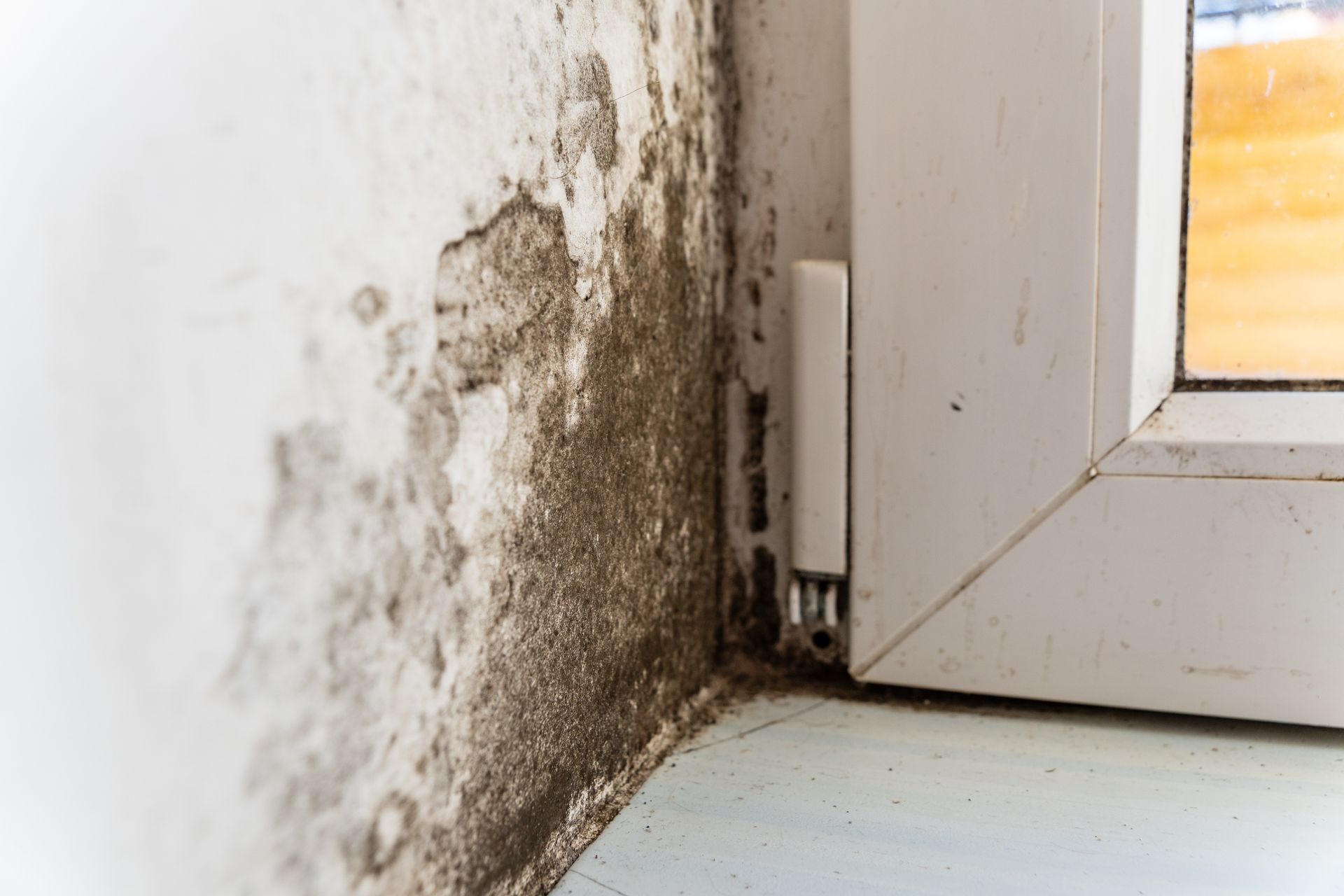
Mold shows up as dark patches along grout lines, discoloration spreading across drywall, or a musty smell that returns no matter how often you air out a room. Restoration Services handles mold removal in Liberty when property owners recognize that surface cleaning no longer addresses the underlying issue. The work targets both visible growth and hidden colonies behind walls, under flooring, or within ceiling cavities where moisture has been present long enough for spores to establish.
Removal begins with containment to prevent spores from spreading during the process, followed by physical removal of affected materials that cannot be adequately cleaned—drywall sections, insulation, baseboards, or subflooring. Non-porous surfaces are treated with antimicrobial solutions, while the moisture source is corrected through dehumidification, ventilation improvements, or repair of plumbing and structural leaks. The process addresses the conditions that allowed growth in the first place, not just the visible evidence.
Schedule a property inspection to identify the full extent of mold presence and moisture intrusion before removal begins.
What Removal Accomplishes in Affected Spaces
Complete removal involves cutting out compromised materials rather than attempting to salvage drywall or insulation that has absorbed moisture and sustained fungal colonization. Containment barriers and negative air pressure keep spores confined to the work area while HEPA filtration captures airborne particles during demolition and cleaning. Each step is documented with moisture readings and visual inspection to confirm that hidden growth behind cabinetry, inside wall cavities, or beneath flooring is addressed.
After removal, you notice that the musty odor is gone, staining no longer reappears on walls or ceilings, and the air in previously affected rooms smells neutral. Surfaces stay dry because the underlying moisture problem has been corrected through repairs to leaking pipes, improved ventilation in bathrooms and crawl spaces, or installation of vapor barriers where ground moisture was infiltrating. The space is cleared for reconstruction with materials that match the original finishes.
The service includes post-removal cleaning of unaffected areas to remove any settled spores, but it does not include full reconstruction unless requested as part of a combined restoration plan. If the mold resulted from a specific event like a roof leak or plumbing failure, documentation is provided to support insurance claims that cover both removal and repair costs.
What Property Owners Usually Ask
Questions about mold removal often focus on the scope of work, what gets removed, and how moisture problems are prevented from recurring.
What signs indicate that mold removal is necessary beyond surface cleaning?
Staining that returns after cleaning, persistent musty odors even when the area is dry, visible growth along grout lines or wall seams, and moisture readings above fifteen percent in building materials all suggest that surface treatment will not resolve the issue.
How is containment managed during the removal process?
Physical barriers seal off the affected area, negative air pressure directs airflow into the containment zone rather than allowing spores to migrate into clean areas, and HEPA filtration continuously cleans the air during demolition and material removal.
What materials typically require removal rather than cleaning?
Drywall that has absorbed moisture for more than forty-eight hours, insulation that shows visible growth, baseboards with staining along the back surface, and subflooring with elevated moisture content are removed because porous materials cannot be reliably cleaned once colonization has occurred.
How does the service address moisture correction in Liberty properties?
The team identifies the source—leaking plumbing, condensation from HVAC systems, roof damage, or ground moisture infiltration—and coordinates repairs that may include dehumidification, ventilation upgrades, or sealing foundation cracks common in older Kansas City metro homes.
What documentation is provided after removal is complete?
You receive moisture readings from before and after the work, photo documentation of affected areas and removal progress, a summary of materials removed, and details of moisture correction measures taken to prevent recurrence.
Restoration Services provides mold removal that addresses both visible growth and the conditions that caused it, preparing the property for safe reconstruction. Contact the team to arrange an assessment that includes moisture mapping and a detailed removal plan specific to your property's condition.