Property Damage Requires Coordinated Repair Phases
Damage Restoration and Reconstruction in Liberty for fire, water, structural loss, and disaster recovery
When fire chars framing and smoke penetrates insulation, when burst pipes flood multiple rooms, or when structural damage from wind or impact compromises a building's integrity, the path from initial loss to a restored property involves assessment, mitigation, demolition, rebuilding, and finishing. Damage restoration and reconstruction in Liberty handles residential and commercial properties where losses extend beyond cosmetic repair, requiring coordinated trades and documentation for insurance purposes. The work moves systematically from stabilization through final construction, managed under one timeline rather than fragmented among disconnected contractors.
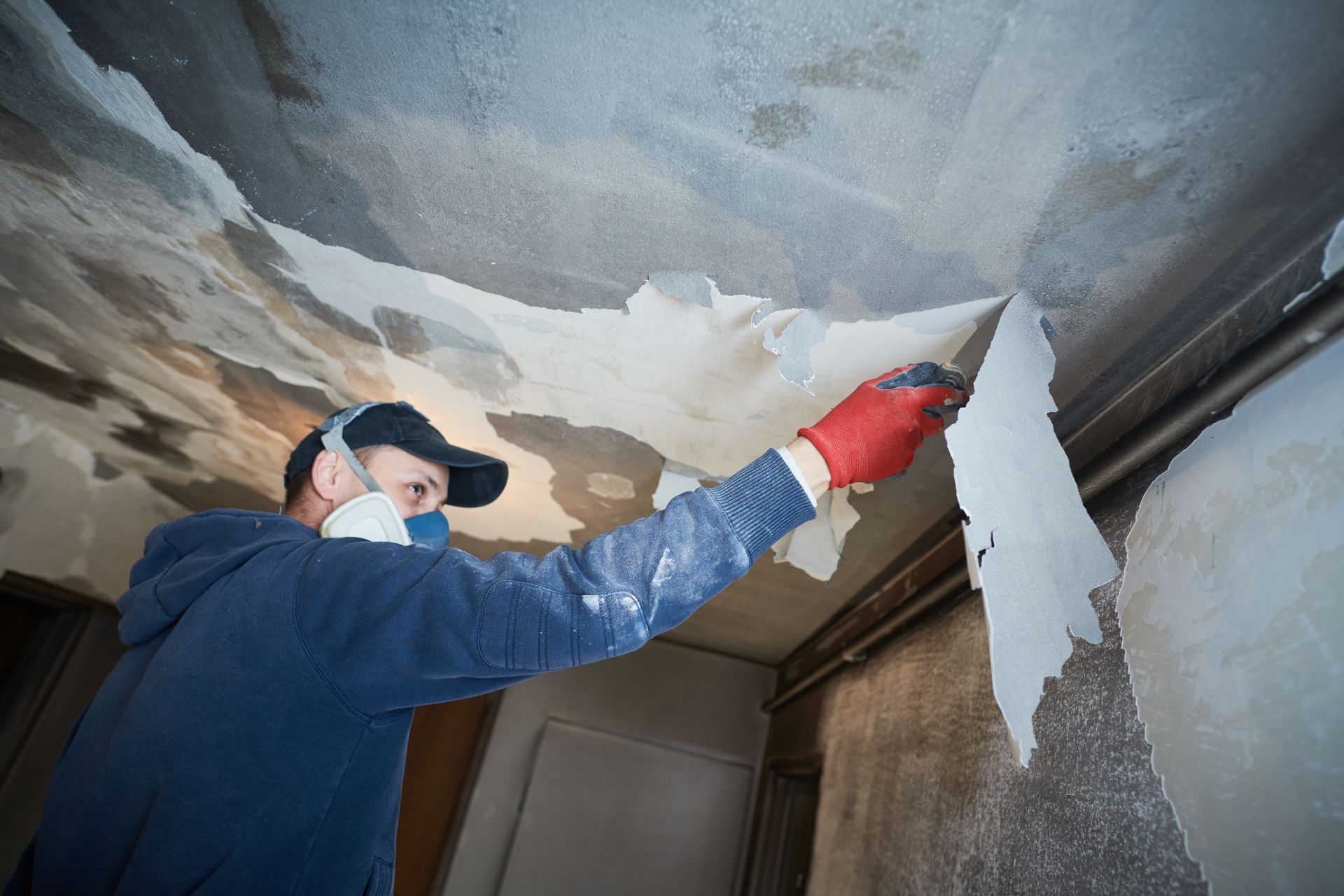
The team evaluates the full extent of damage with moisture meters, thermal imaging, and structural inspection, then documents affected areas with photos and material inventories before beginning mitigation. Water extraction, debris removal, and emergency stabilization prevent further deterioration while permanent repairs are planned. Demolition removes compromised materials—drywall, insulation, flooring, cabinetry, or structural framing—and rebuilding proceeds with materials and finishes matched to the original construction or upgraded based on current codes and client preferences.
Schedule a free property assessment to document the scope of damage, prioritize mitigation phases, and develop a restoration plan with a detailed timeline.
How the Process Moves From Loss to Completion
Restoration begins with emergency services—water extraction if flooding occurred, board-up if windows or doors were damaged, tarping if roofing was compromised—followed by controlled demolition of materials that cannot be salvaged. Framing repairs address structural issues before interior finishes are installed, and mechanical systems are tested to confirm functionality before walls are closed. Each phase is documented with progress photos and material logs that support insurance claims and provide transparency throughout the process.
Once reconstruction is complete, you notice that smoke odor is eliminated through thorough cleaning and sealing of porous surfaces, water staining no longer appears on ceilings or walls because leaks were repaired and drying was verified with moisture readings, and structural framing is reinforced or replaced where damage occurred. Flooring, cabinetry, paint, and trim match surrounding areas, and the property is returned to a usable condition with systems operational and spaces accessible.
Insurance documentation support is included as part of the service, with detailed records of materials removed, labor performed, and equipment used during mitigation and reconstruction. The service does not include assistance with filing the claim or negotiating with adjusters, but the documentation provided is formatted to align with typical claim requirements for damage verification and cost substantiation.
Common Questions About This Service
Property owners facing significant damage often ask about the restoration timeline, what phases are involved, and how insurance coordination works.
What types of property damage does this service address?
The work covers fire damage, water damage from plumbing failures or weather events, structural damage from wind or impact, mold resulting from prolonged moisture exposure, and combined losses where multiple issues occurred simultaneously.
How long does full restoration typically take from initial damage to completion?
Timeline depends on the severity of loss, with minor water damage requiring one to two weeks for drying and repair, while extensive fire or structural damage may take several weeks for demolition, rebuilding, and finishing phases to complete.
What documentation is provided to support insurance claims?
You receive photo documentation before, during, and after each phase, detailed material lists with quantities and costs, moisture logs if water damage occurred, and a narrative summary explaining what work was performed and why each step was necessary based on the initial loss.
How does the team coordinate multiple restoration needs in Liberty properties?
Older homes in the Kansas City metro may experience simultaneous issues—water damage leading to mold, fire damage combined with smoke penetration, or storm losses affecting both exterior and interior systems—requiring one provider to manage all trades under a unified plan.
What gets included in reconstruction versus what requires separate approval?
Standard reconstruction matches original materials and finishes, while upgrades such as higher-grade flooring, custom cabinetry, or layout changes require separate approval and are documented as optional enhancements beyond the core restoration scope.
Restoration Services provides damage restoration and reconstruction for residential and commercial properties, managing the process from initial assessment through final completion. Contact the team to arrange a free assessment that includes damage documentation, mitigation planning, and a detailed reconstruction proposal.