Recovery After Indoor Flooding Events
Flood Damage Restoration in Liberty for severe rainfall, storm-related flooding, and indoor water intrusion
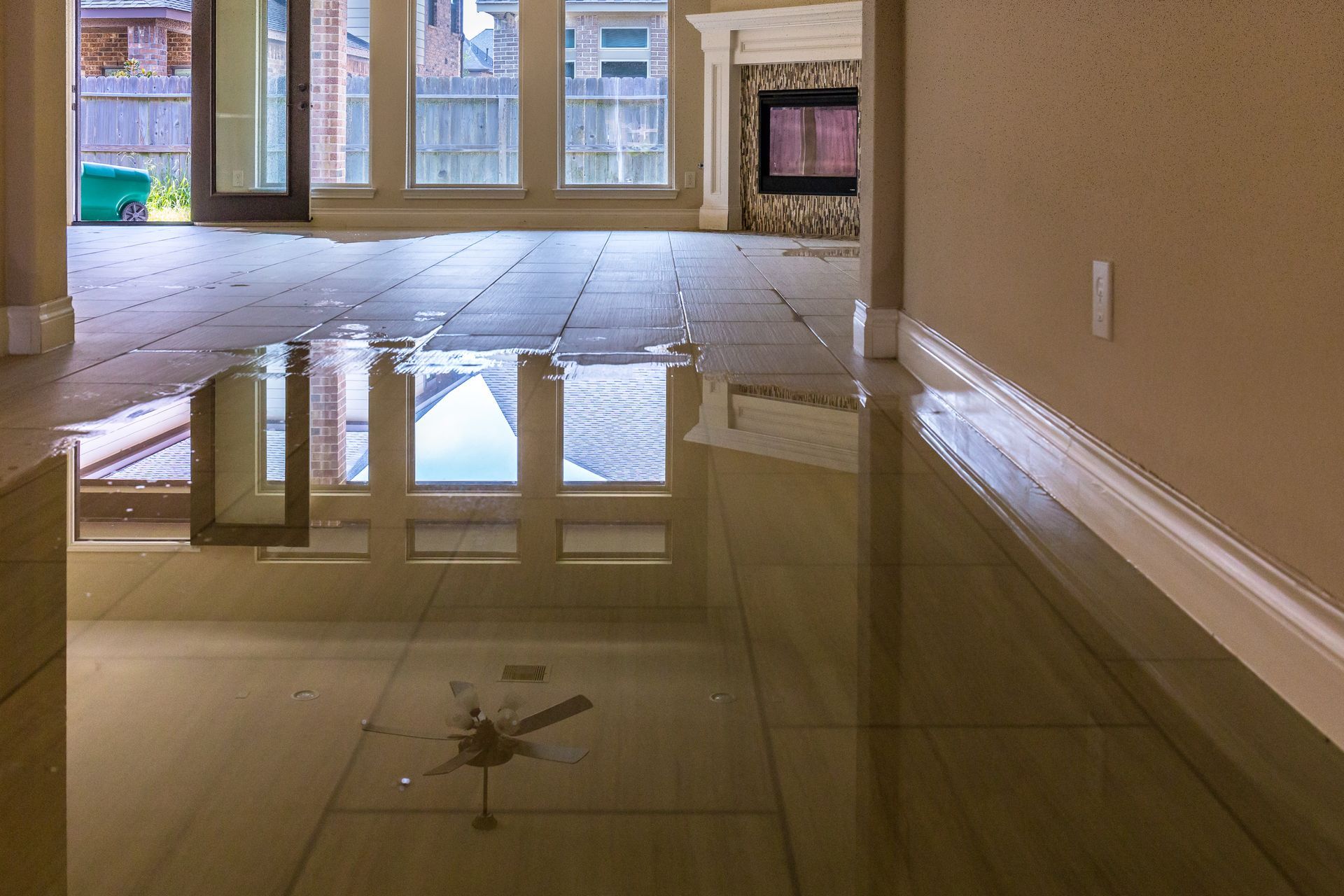
Severe rainfall across the Kansas City area can overwhelm drainage systems and push water into basements, ground-floor spaces, and commercial buildings, saturating everything in its path. Restoration Services provides flood damage restoration in Liberty, addressing the full scope of recovery from initial water extraction through material removal, structural drying, cleaning, and rebuilding. Floodwater differs from clean supply-line leaks because it often carries soil, debris, and contaminants that require different cleaning protocols and disposal methods for affected materials.
The process begins with assessing how far water traveled and what building components absorbed moisture, followed by extraction, removal of materials too damaged to restore, and drying of structural elements that remain. Flooring, drywall, insulation, baseboards, and contents that sat in standing water often require replacement rather than cleaning, particularly when porous materials remained wet for extended periods before mitigation started.
Request an immediate damage assessment to determine material impact and begin extraction before floodwater spreads further into walls and subfloors.
Why Flood Restoration Requires Material Removal
Flood events saturate porous building materials from the bottom up, with drywall wicking water several feet above the visible waterline and insulation holding moisture against framing for days. Affected drywall, insulation, and flooring typically get removed to a point above the saturation line, exposing framing so it can be cleaned, treated, and dried properly before rebuilding begins.
After cleanup and drying finish, you see exposed framing that has been cleaned and dried to measurable standards, subfloors that no longer hold moisture, and spaces cleared of debris and damaged materials. The property is ready for reconstruction once all structural moisture readings confirm materials have returned to dry conditions, and Restoration Services coordinates rebuilding to match pre-loss conditions.
Restoration work may include new drywall installation, flooring replacement, baseboard and trim reinstallation, painting, and coordination with other contractors when electrical or HVAC components were affected. The goal is returning the property to safe, usable condition with verified dry conditions throughout affected areas.
Answers to Frequent Service Questions
Flood damage situations involve decisions about material salvage, contamination, and reconstruction timing. These answers address common concerns during the restoration process.
What makes floodwater different from clean water damage?
Floodwater often contains soil, bacteria, and contaminants from outside sources, requiring affected porous materials like drywall and insulation to be removed rather than dried in place, and surfaces to be cleaned with antimicrobial treatment before reconstruction begins.
How high do walls need to be opened after flooding?
Removal typically extends at least 12 inches above the visible waterline to account for wicking, though final height depends on moisture meter readings in the drywall and insulation, ensuring all saturated material is removed before drying and rebuilding.
Can hardwood flooring survive a flood?
It depends on how long water sat, whether the subfloor remained wet, and whether cupping or delamination occurred, with some solid hardwood salvageable through drying and refinishing while engineered products and those showing significant warping usually require replacement.
How long does flood restoration take from start to finish?
Extraction and material removal often happen within the first few days, structural drying takes several days to a week depending on conditions, and rebuilding timelines vary based on the extent of reconstruction needed and material availability.
What happens if moisture is left in wall cavities after a flood?
Unresolved moisture creates ongoing conditions where mold can develop, wood framing can rot, and odors persist, which is why moisture readings are taken throughout the drying process to confirm all building components have returned to measurable dry standards before rebuilding.
Indoor flooding requires coordinated extraction, material assessment, and structural drying followed by complete rebuilding of affected spaces. Restoration Services manages flood recovery projects in Liberty and handles the full process from initial water removal through final restoration. Contact us at (816) 286-5835 to begin professional flood damage assessment and recovery.