Severe Weather Creates Compounding Property Problems
Storm Damage Restoration in Liberty for wind damage, water intrusion, and structural compromise after severe weather
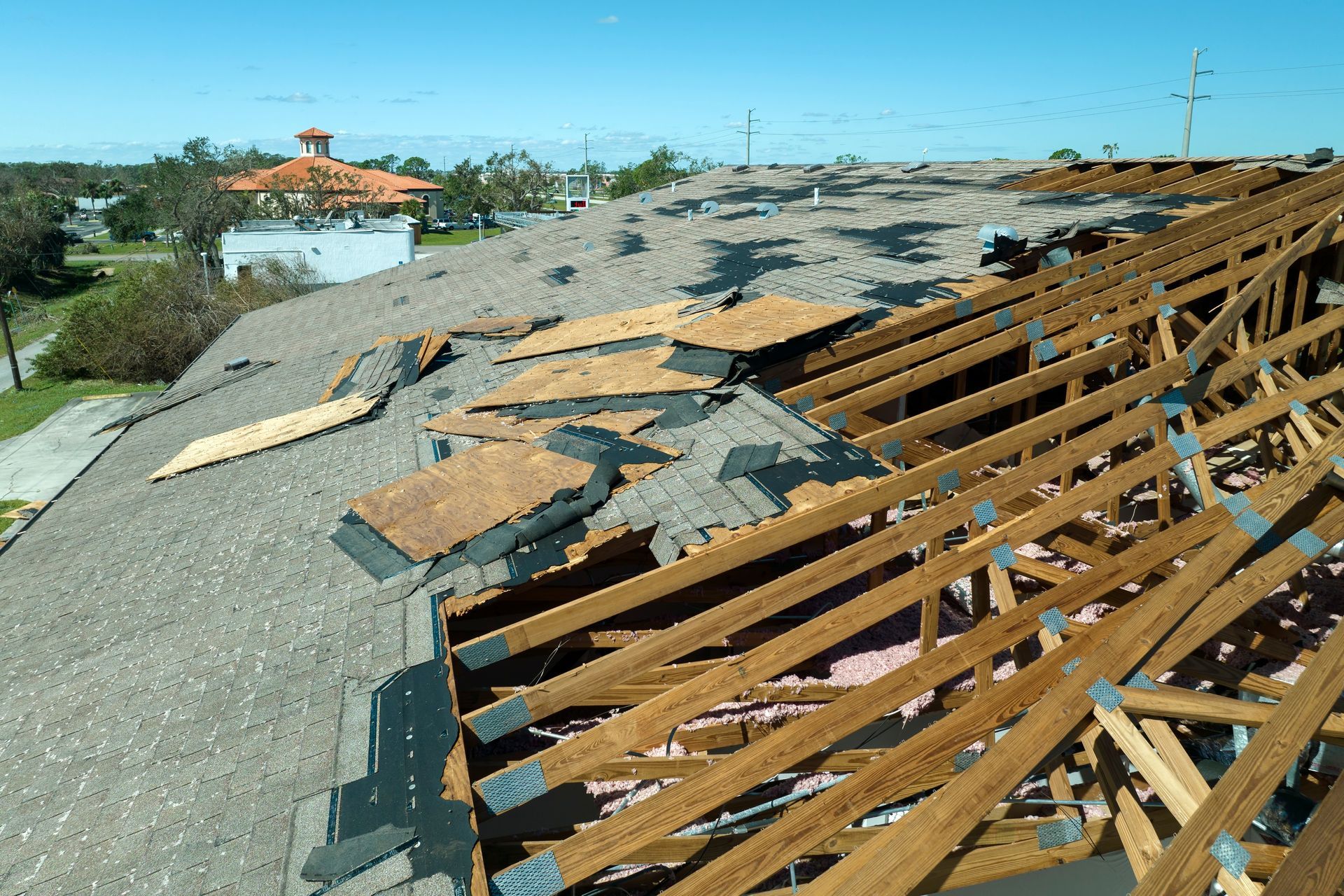
A severe storm leaves roofing shingles scattered across the yard, water pooling in ceilings where flashing failed, and siding torn away from exterior walls where wind speeds exceeded sustained gusts. Storm damage restoration in Liberty addresses the immediate destruction and the secondary problems that follow—water migration into wall cavities, insulation saturation, and mold development in concealed spaces. Restoration Services evaluates the full scope of loss within hours of the event, prioritizing emergency stabilization before addressing structural repairs and interior restoration.
The process begins with emergency tarping or board-up to prevent further water intrusion, followed by water extraction from flooded areas, removal of soaked materials, and deployment of drying equipment to prevent microbial growth. Once the property is stabilized and dried, the team removes damaged framing, roofing, insulation, drywall, and flooring, then rebuilds to match original construction. The work coordinates roofing repair, water damage mitigation, mold prevention, and reconstruction under one response rather than requiring separate contractors for overlapping problems.
Request a post-storm property assessment to document damage, prioritize emergency mitigation, and develop a restoration timeline.
Why Single-Contractor Coordination Matters After Major Storms
Storm restoration requires coordinating multiple trades—roofing, structural framing, plumbing repair if pipes were damaged by debris, electrical work if water reached fixtures, and interior finishing once the structure is sound. Handling these phases through one provider streamlines communication, maintains consistent documentation for insurance purposes, and prevents delays between demolition and reconstruction. The Kansas City area experiences sudden severe thunderstorms, occasional tornadoes, and heavy rain events that produce localized flooding, making fast response critical to preventing secondary water damage.
After restoration is complete, you notice that ceilings no longer show water staining, roofing is sealed and matched to existing materials, siding is reinstalled and weatherproofed, and interior spaces are returned to pre-loss condition with matching paint, flooring, and trim. Structural framing that was compromised by wind load or water damage is replaced with lumber that meets current building codes, and insulation is upgraded if original materials were inadequate or destroyed.
The service includes documentation with photos, moisture readings, and material inventories for insurance claims, but it does not include assistance with filing the claim itself unless you request guidance on what information adjusters typically require. Some storm losses involve only roofing and exterior damage, while others require full interior restoration if water entered living spaces or mechanical systems were affected by debris impact.
Answers to Frequent Service Questions
Property owners dealing with storm damage typically ask about response timing, what phases are involved, and how the work is coordinated with insurance.
How quickly can emergency mitigation begin after a severe storm?
Initial response focuses on tarping damaged roofing, boarding broken windows, and extracting standing water within hours of your call to prevent further damage while permanent repairs are planned.
What does the assessment process involve after wind and water damage?
The team inspects roofing, siding, gutters, windows, attic spaces, interior ceilings and walls for water intrusion, and structural framing for impact damage, then provides a written scope that separates emergency work from full restoration phases.
Why does storm damage often create mold concerns in Liberty properties?
High humidity and sudden temperature swings common in the Kansas City metro mean that water-soaked materials begin supporting microbial growth within forty-eight to seventy-two hours if not dried properly, making fast water extraction and dehumidification essential.
What materials typically require replacement after severe wind and rain events?
Roofing shingles torn by wind, underlayment exposed to water, drywall and insulation soaked by ceiling leaks, subflooring saturated by ground-level flooding, and framing lumber split by debris impact are removed and replaced rather than repaired.
How is the restoration process documented for insurance purposes?
You receive photo documentation before mitigation, during demolition, and after reconstruction, along with material lists, moisture logs, and a timeline showing when each phase was completed to support your claim review.
Restoration Services manages storm damage restoration from emergency response through final reconstruction, coordinating all trades under one timeline. Arrange a property assessment immediately after severe weather to document damage and begin mitigation before secondary problems develop.